About
Zach Gor
Hi there! I’m a biomedical engineering student at Duke, with a focus on hardware and medical devices.
I ended up in biomedical engineering because I was drawn equally to biology and engineering, and building medical devices felt like a natural way to combine them. The areas I find most compelling are neurotech and surgical robotics, specifically the challenge of building things that actually fit the way the body works.
I tend to work best when I understand how the whole system fits together. I like thinking about how a firmware decision affects board layout, or how an enclosure constraint shapes what goes inside. Working through those dependencies is what I find most interesting and what I try to bring to any project.
My mother is an architect, so I grew up with an appreciation for things that are well-made and look good, not just functional. Outside of engineering, I play piano and tennis, rock climb, follow Duke basketball, and spend more time on studying random trivia than is probably reasonable.

Selected work
Projects
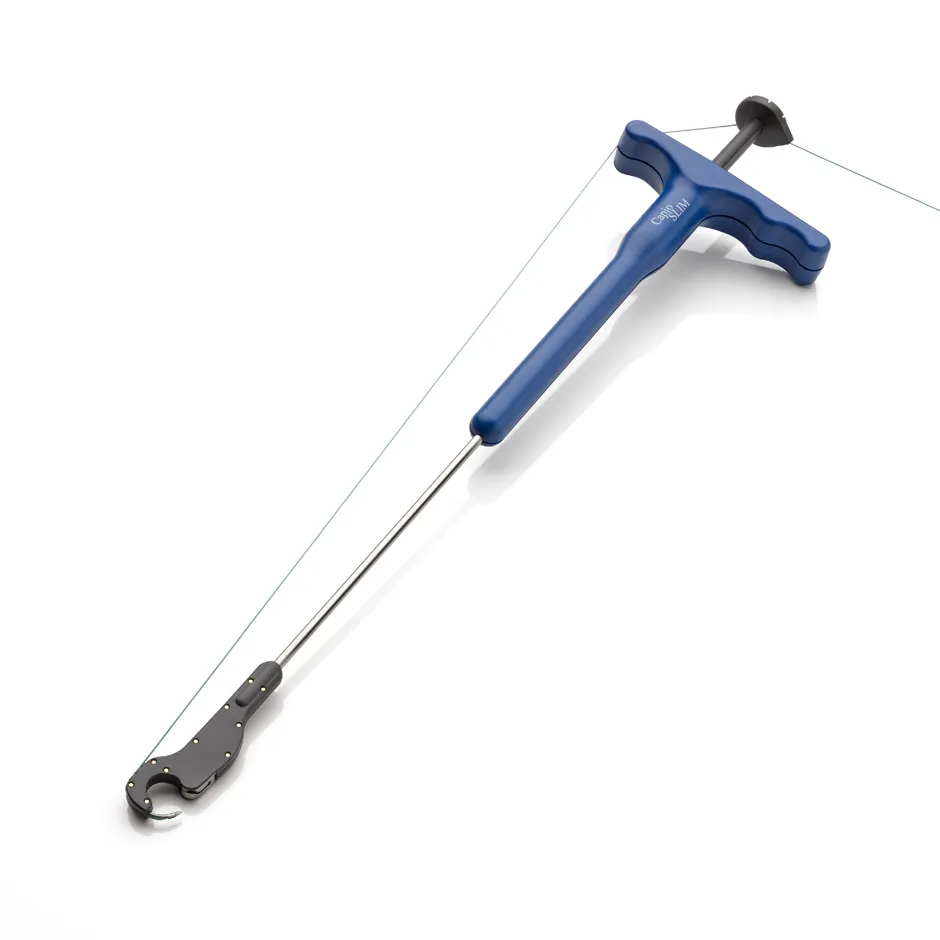
Automated Surgical Device Testing Fixture
Developed an automated electromechanical testing fixture for a urological surgical device.
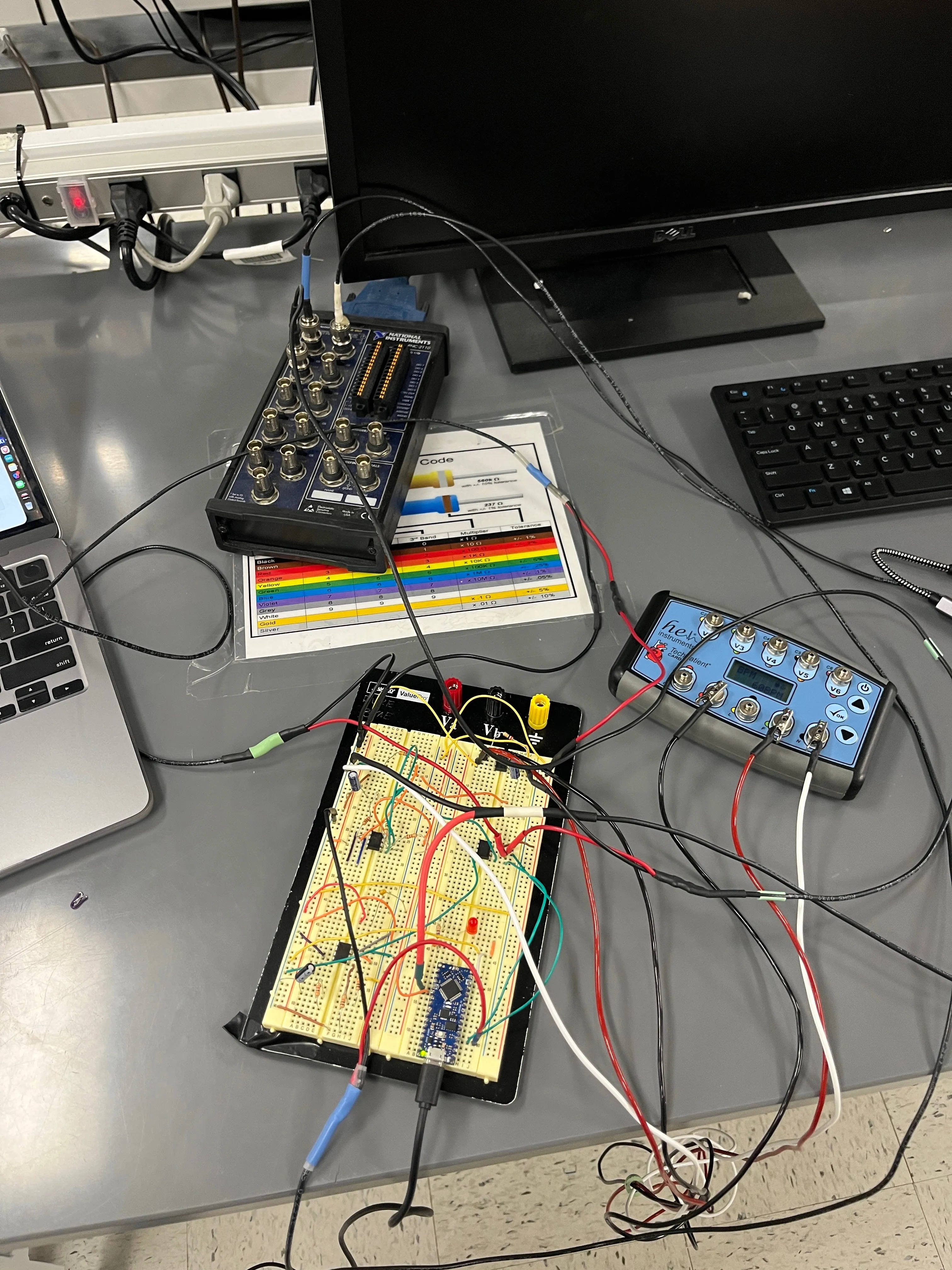
VVI Pacemaker Circuit
Designed and built an analog circuit that filters and amplifies a noisy ECG signal, detects cardiac pulses, and delivers stimuli to maintain a target heart rate.

Neuromodulation Cuff Production Protocol
Observed a cutting-edge neuromodulation cuff fabrication procedure and developed a rigorous protocol to document it in detail.
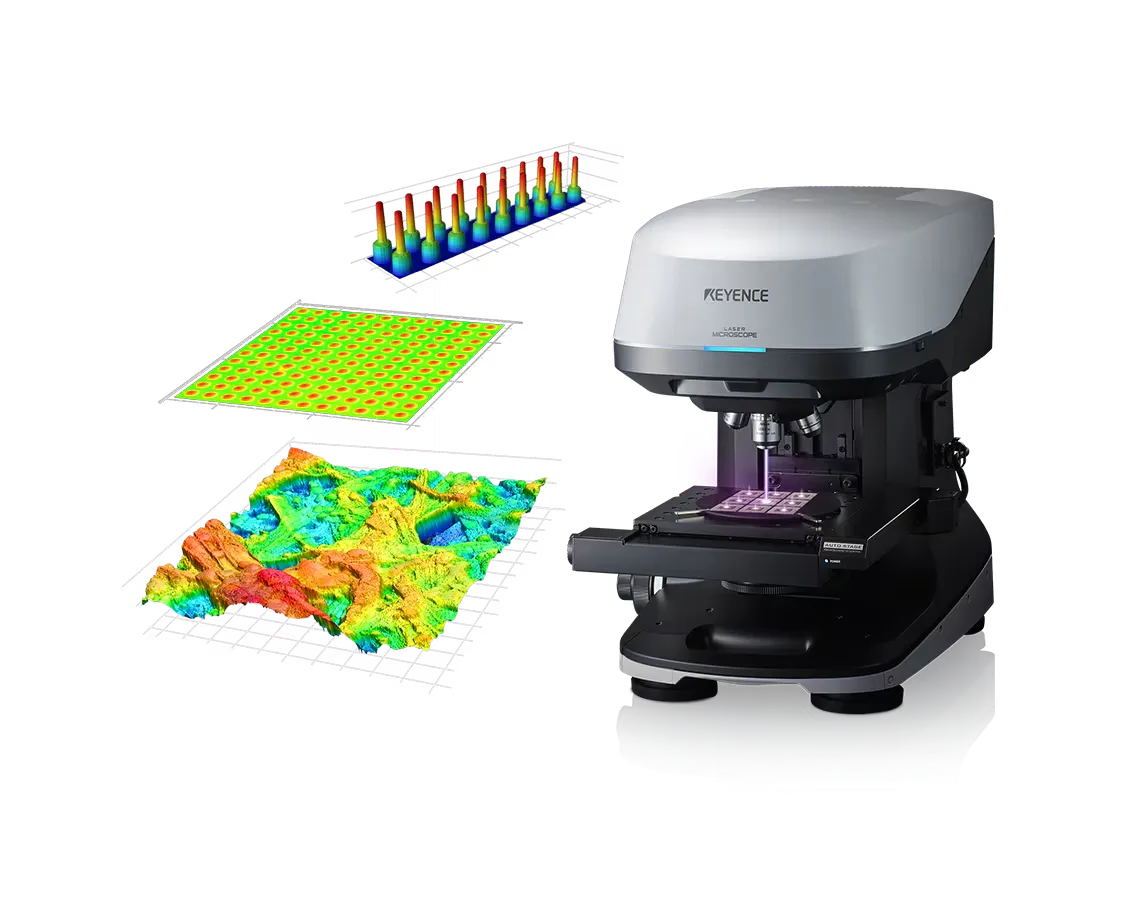
Electrode Surface Profilometry
Designed a repeatable Keyence laser profilometry protocol for electrode surface characterization, using repeated-measures ANOVA to select the most consistent mounting setup and low-pass filtering to remove slant-induced topography bias.
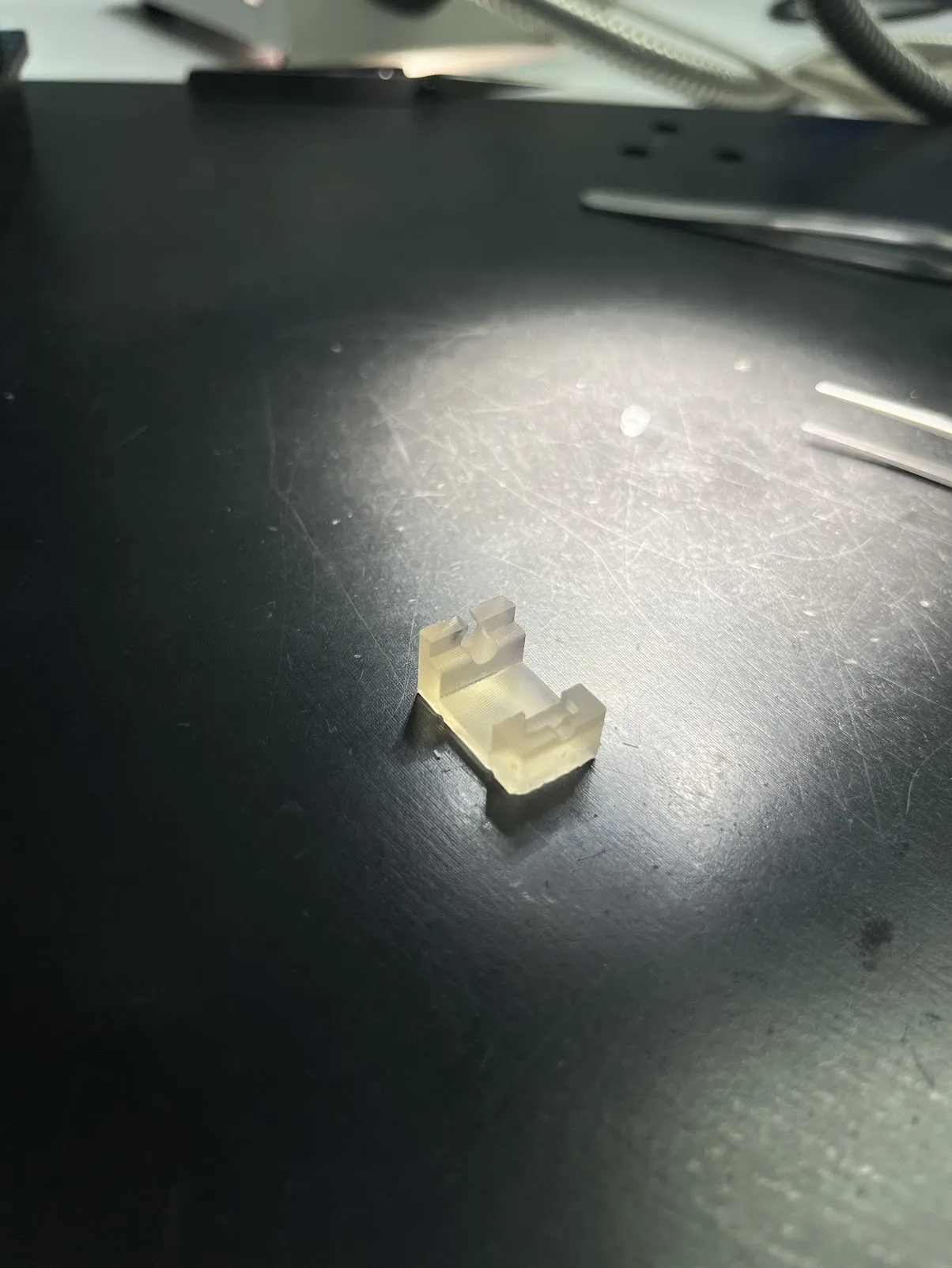
Medtech Fixture Design
Designed and produced precision fixtures for medical device testing and manufacturing across two internships, using SolidWorks and FDM/SLA printing with application-specific material selection.
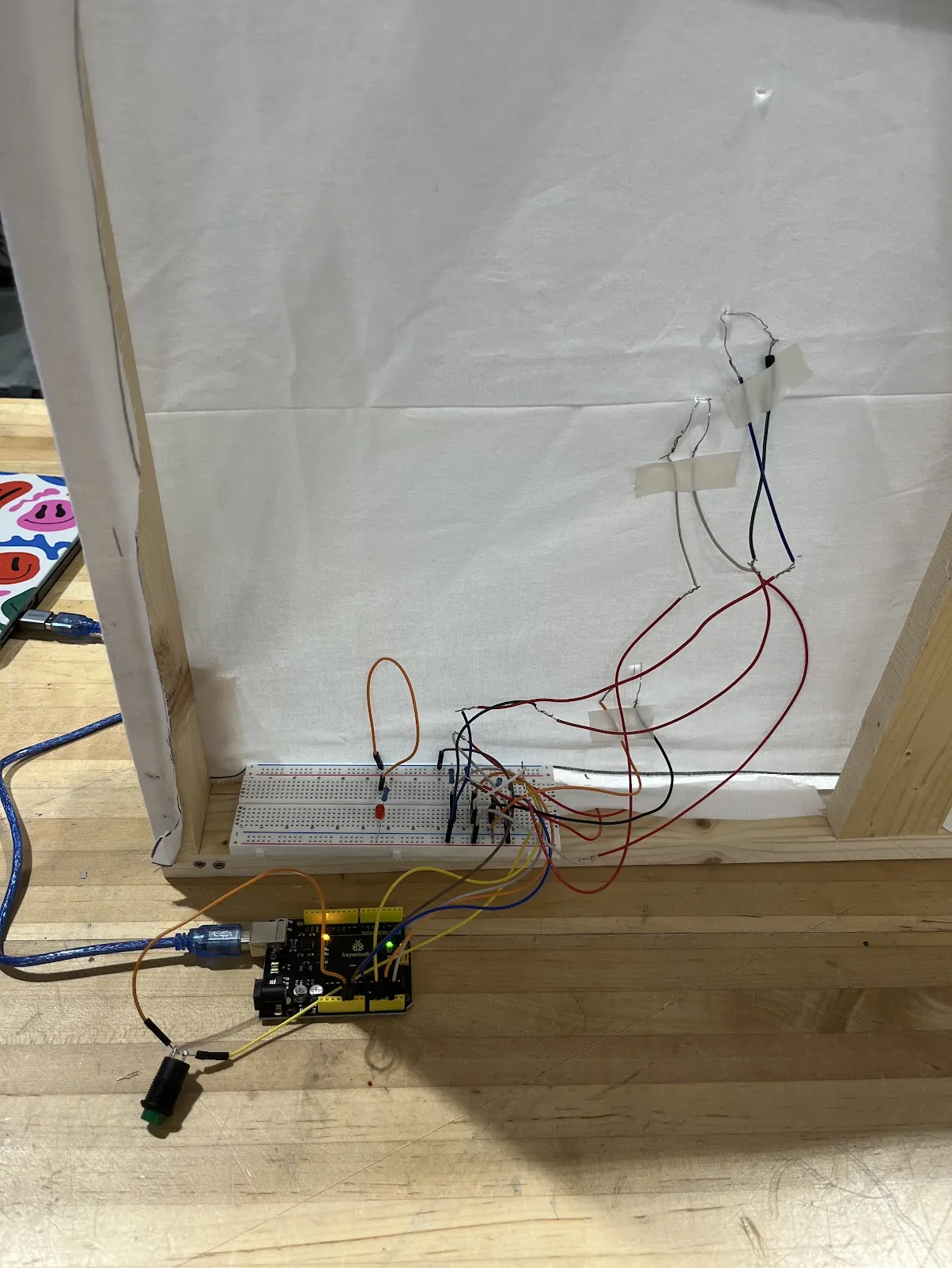
Shoulder Trainer
Built the feedback system for a shoulder reduction training device, using a laser and photoresistor array to track joint movement and score accuracy in real time.
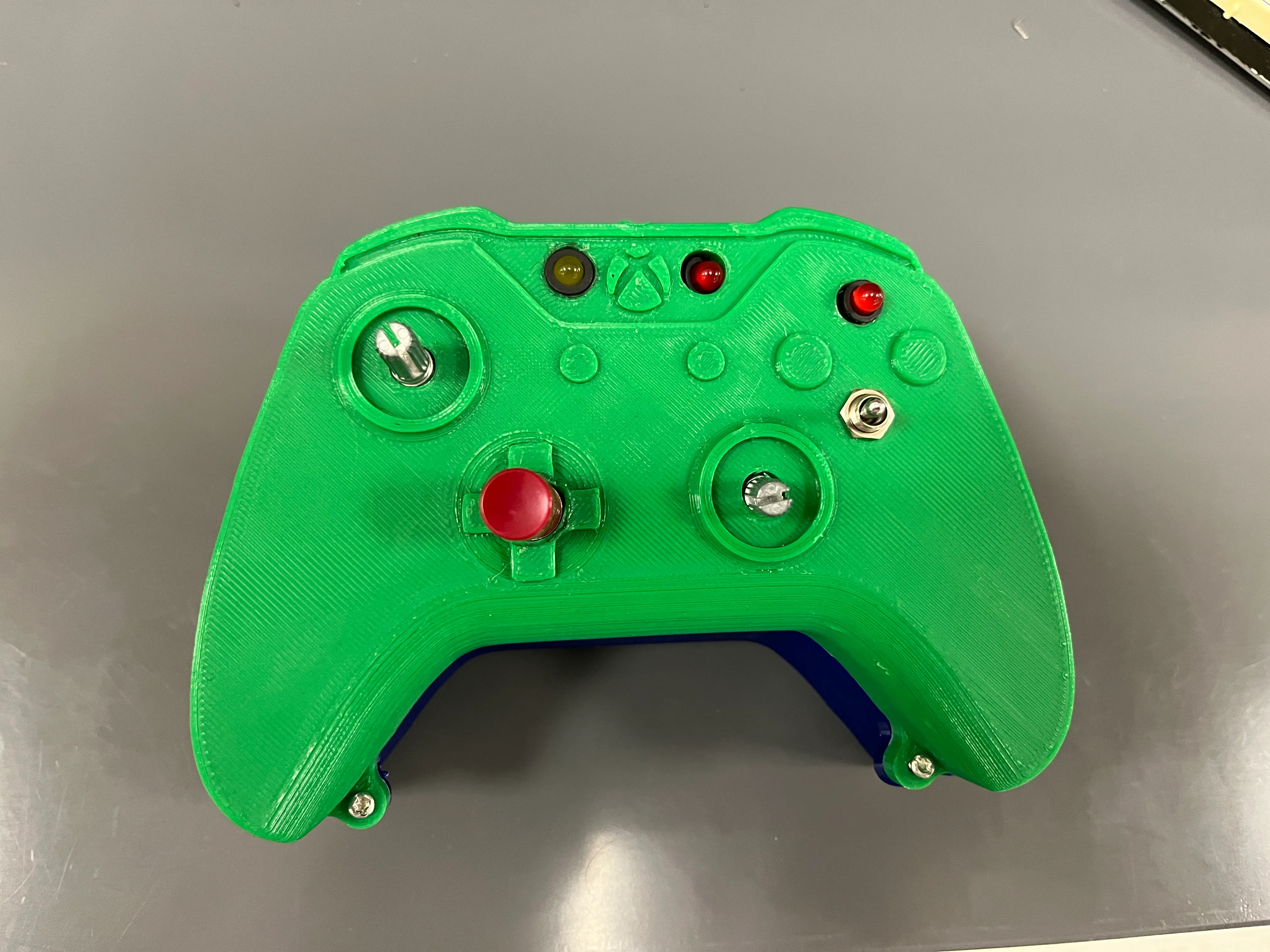
Lightbox
Designed and built a custom PCB, wrote state-machine C++ firmware on an Arduino Nano Every, and 3D-printed a fitted enclosure to create a button and potentiometer-controlled LED device.